
Articles & Reports

Are we heading towards a cashless future?
Are we heading towards a cashless future?
Published by GDPR Creative Intelligence
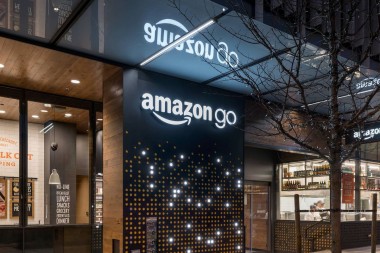
As backlash against cashless stores spreads in the US, GDR's SVP Global Innovation Alex Sbardella assesses the pros and cons for retailers and customers, and considers what the future holds.

Cloud computing in Retail
Cloud computing in Retail

A survey from RSR shows that retailers have warmed up to the cloud. Surprisingly the reasons are more about speed than about cutting costs.
European Ecommerce Report
European Ecommerce Report

Ecommerce Europe is the voice of the European digital commerce sector. Through its 19 national ecommerce associations, Ecommerce Europe represents more than 75,000 companies selling goods and services online to consumers in Europe. European merchants still face difficulties when selling online, specifically cross-border. That is why Ecommerce Europe acts at European level to help legislators create a better framework for online merchants, so that their sales can grow further. They aspire to be the
European platform for digital commerce, where the members of national e-commerce associations, direct company members and suppliers can:
- Network and share best practices, exchange information and knowledge on issues concerning their business;
- Work towards promotion, professionalization and self-regulation the digital commerce industry, thanks to projects like our European Trustmark;
- Create better fitted frameworks that can foster online sales at all levels, both domestically and crossborder.
How will 5G make a difference today – and in the future?
How will 5G make a difference today – and in the future?

While a new generation of wireless connectivity hits the market every couple of years, experts say the move to 5G will be unlike any leap of speed and performance the world has ever seen. The fifth-generation cellular system will nearly eliminate lag times to make real-time functionality and seamless connectivity a reality.
The tremendous leap forward in cellular performance could have big implications across the economy. Sandra Rivera, senior vice president and general manager of the network platforms group at Intel Corp., told Forbes.com that 5G will be the "true convergence of computing and communications and the idea that everything that can and should be connected will be."
5G will enhance data connectivity, communications, data analytics and the Internet of Things: A report by Transparency Market Research said it will make robotics safer, faster and speedier, something that is expected to grow demand in the global robotics market in the coming years.
The faster speeds, performance and bandwidth will ultimately transform every industry, says wireless analyst Jeff Kagan. But much like retailers didn't know in 2005 what smartphones would bring to retail, they can't yet predict the full implications of 5G.
"No one can tell you what the world will look like in 10 years, but because of 5G, the world will be very different," Kagan says, "the same as it's different today than it was 10 years ago."
What is known is that 5G will enable retailers to connect with consumers in real time in ways they never thought possible, says Corey Pierson, co-founder of Custora. Web performance has improved dramatically over the past decade, and 5G will be the infrastructure that pushes it all to real-time instantaneous data transfer.
"It's just going to take this big leap forward, in terms of what's possible from the customer experience," Pierson says. "No one has really figured out yet how to best take advantage of all this increased speed and data, but everyone is excited about the potential it unlocks."
Getting the measure of the fashion industry
Getting the measure of the fashion industry

It is one of the fastest growing industries in the world, a global business shaped and reshaped by competition, creativity and innovation.
IN FASHION the challenges of the 21st century now offer ever greater cause to adapt.
From disruptive new technologies to more demanding clients and customers and a growing awareness of the industry's environmental impact - discover how the fashion industry is reinventing itself once again through the following films made by the Economist in collaboration with the Woolmark Company.
LVMH Greater China group president Andrew Wu at the BoF China Summit
LVMH Greater China group president Andrew Wu at the BoF China Summit
Published by Business of Fashion on 2 April 2019

SHANGHAI, China — In luxury industry circles, some describe him as their 'China Oracle'. As LVMH group president of Greater China, Wu certainly has an intimate understanding of Chinese luxury consumers and the forces that shape their purchasing decisions. The diverse and very dynamic nature of this vast consumer base was the focus of a conversation with Wu at the third annual BoF China Summit, supported by the Savannah College of Art and Design (SCAD).
video of Andrew Wu at bof china summit 2019
PODCAST: Bloomingdale's on Beauty
PODCAST: Bloomingdale's on Beauty
Published by Glossy.com on 14 March 2019
link to the bloomingdale's podcast on beauty
It is no secret that with the rise of direct-to-consumer companies and e-commerce shopping, legacy retailers are struggling to maintain massive flagship stores and retail footprints.
While some retailers are closing their doors, others are searching for ways to reinvigorate their spaces to keep customers coming back. Earlier this year, Bloomingdale's unveiled a completely renovated flagship experience featuring a brand-new beauty and fragrance floor. The new space features interactive technology, expanded beauty services, shop-in-shops and event programming. For Stacie Bortek, Bloomingdale's vp and divisional merchandise manager of beauty and fragrance, the updated experience is all about evolving to meet the needs of the modern beauty consumer.
"We like to coin our beauty and fragrance area as sort of a playground," said Borteck. "It's on our main floor, right when you walk in the store, and we feel like beauty is the first stop on our customer's journey throughout the store. It's this place for energy and excitement that really radiates throughout the entire store. So the impetus for the change was partly this complete renovation of the store, but also that the beauty customer's style of shopping has really evolved over the years, and we needed to evolve as well."
In this week's episode of The Glossy Beauty Podcast, beauty editor Priya Rao sits down with Borteck to discuss the major changes to the Bloomingdale's beauty and fragrance experience, the unique events the customer has come to expect and the way beauty is expanding throughout the company's flagship. Edited highlights are below.
The shift toward curated collections
"When we really thought of the horizon of beauty and what's happening out there, we identified that new curated concepts were probably on the horizon, so we created these two new concepts: The first one is Glowhaus, and that's really targeted toward our millennial-minded customer. That shop is really packed with brands that are trending on social media, and it's housed in this really playful environment where you can try all of the products, and all of those products are under $100. We created the concept based on what we were hearing from our customers who shop the ready-to-wear floor to buy their date-night top. Those customers might not venture down to the beauty floor, so we really went on a search to find out why that was, what brands we needed in the mix and also what kind of environment we needed."
Creating events to please a wide variety of customers
"One of the unique things about Bloomingdale's DNA is that our energy and excitement make it an exciting place to come, and our events are a part of that. We've had everything from these amazing master classes that are private events — we just hosted one featuring Charlotte Tilbury — to events with national makeup artists and spa experiences. We think this is really a part of our DNA, and our idea of the experience is evolving every day."
Merging the online and in-store strategies
"When I first came into this, we were predominately focused on print. Now, all we talk about are digital and influencers. This is definitely a big strategy for us, and we're really careful about what we put out there, ensuring that it's right for the brand and the customer. We're also having more fun with that than we ever have before. We partnered with a bunch of influencers for the launch event — a few actually held their own events in the store, as well — and that synergy of doing things both online and in-store is a strategy you will see more of from us."
Evolution of department stores in pictures
Evolution of department stores in pictures
- Department stores have dramatically changed over the last 100 years.
- In the past, shops focused on selling necessities, such as military uniforms, basic apparel, and select toys.
- Stores also commonly experienced large crowds, especially ahead of holidays, wars, and recessions.
- Today, many department stores are struggling to remain in business.
- While some classic chains cease to exist, other retailers have found ways to increase sales, such as installing self-checkout registers and advertising with electronic displays.
A lot can change over the course of 100 years. Throughout the last century alone, famous cookies have been created, iconic buildings have been reconstructed, and school systems have completely evolved.
Department stores have also seen drastic change. In the early 1900s, retailers existed to sell necessities, including military uniforms, food, and apparel, among other things. Today, big-box stores are struggling to survive.
The rise of the internet and surge in online sales has placed a major strain on department stores. While some retailers have filed for bankruptcy and gone out of business, others have taken drastic measures to stay afloat. Here are 26 photos that show how department stores have changed over 100 years.
In the early 1900s, department stores were focused on selling the necessities.
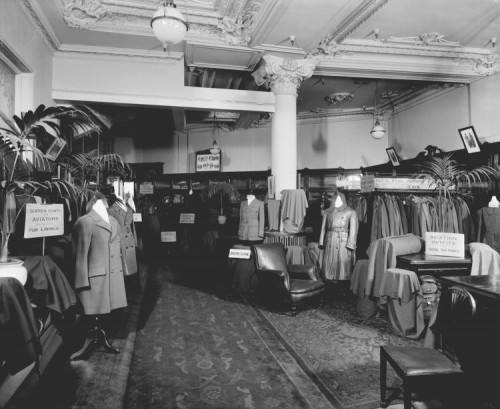
Illustration '2019 ARTICLE FEB Rise & fall of DS' (jpg - 0.11Mo)

Harrods in London featured a military tailoring room in 1919.
Heritage Images/Getty Images
During times of war, those necessities were comprised of military jackets, coats, and accessories. That's why Harrods, a famous department store in London, featured an in-house tailoring room throughout World War I. The space was utilized to alter used uniforms and sell new ones.
Big-box retailers still sell the basics, but novelty items are also typically present.
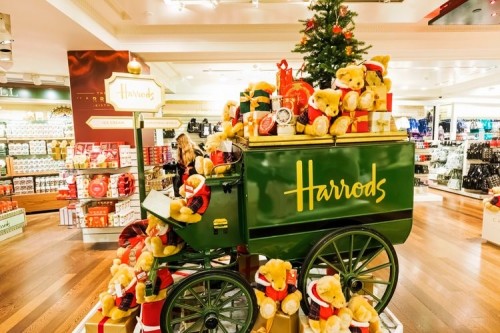
Illustration '2019 ARTICLE FEB Rise & fall of DS' (jpg - 0.13Mo)

Harrods is still around and sells a wide range of products, as seen in this 2018 photo.
Prisma by Dukas/Getty Images
You can find everything from random household tools and fashionable clothes to toys and knickknacks at modern department stores. There are few things that you wouldn't be able to buy.
Starting in 1924, Macy's celebrated the holidays with its first annual "Christmas Parade."
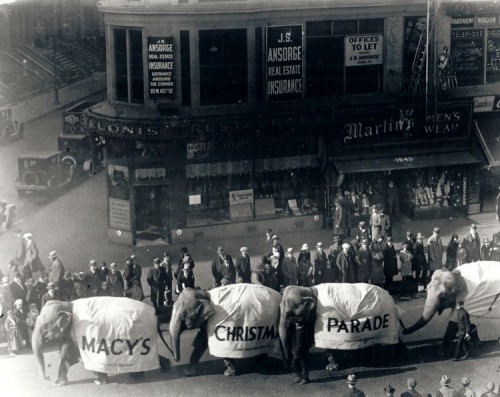
Illustration '2019 ARTICLE FEB Rise & fall of DS' (jpg - 0.12Mo)

A photo from 1924 depicts Macy's first parade.
Macy's
Live animals such as elephants were included in the early days of the parade, and balloons depicting popular characters such as Mickey Mouse appeared a little later in the '30s.
The name of the event has since been changed to the "Macy's Thanksgiving Day Parade."
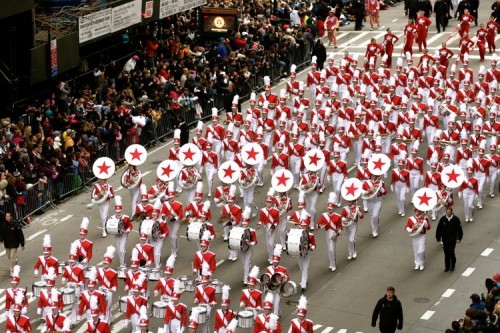
Illustration '2019 ARTICLE FEB Rise & fall of DS' (jpg - 0.18Mo)

The Macy's marching band marched down the parade route in 2009.
karmakazesal/Flickr/Attribution License
Other aspects of the yearly tradition have also been changed. For example, live animals have been replaced with people dressed in costumes, and giant marching bands have become a staple. Tons of celebrities have also appeared on floats.
Leading up to the 1930s, department stores were always pretty crowded...
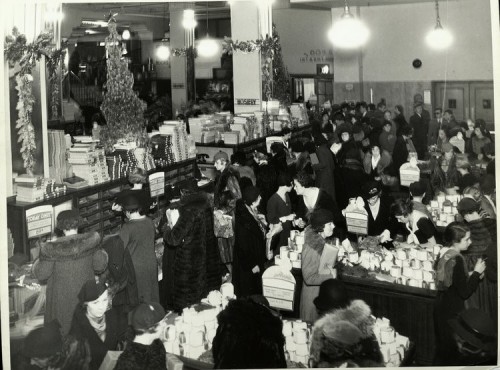
Illustration '2019 ARTICLE FEB Rise & fall of DS' (jpg - 0.12Mo)

Shoppers in a New York department store in the '30s crowded around tables.
Bettmann/Getty Images
Around 1929, people were encouraged to shop in order to help boost the nation's sinking economy. But that same year, the stock market completely crashed, and the Great Depression officially began. The period lasted for 10 years, causing major layoffs, failing banks, and mass poverty.
Today, stores rarely see such large crowds.
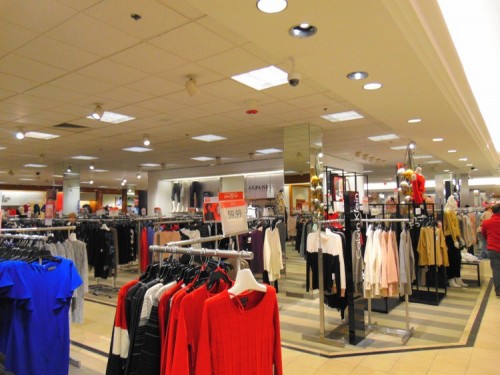
Illustration '2019 ARTICLE FEB Rise & fall of DS' (jpg - 0.1Mo)

Part of a Macy's store in Massachusetts, pictured in 2017, appears to have been almost empty.
JJBers/Flickr/Attribution License
Even during major holiday sales, many modern shoppers still prefer to shop online from the comfort of their homes.
Minimal merchandise was showcased in store window displays throughout the '40s.
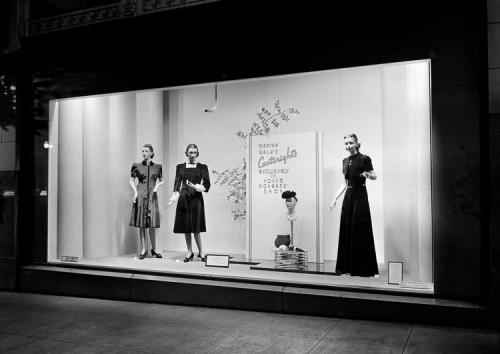
Illustration '2019 ARTICLE FEB Rise & fall of DS' (jpg - 0.06Mo)

A department store's display window in the Pacific Northwest was filled with mannequins during the '40s.
Kirn Vintage Stock/Getty Images
There was some art to these displays, as props were placed alongside mannequins and merchandise to create a scene. But the visuals would never work for modern shops.
Contemporary display windows are unlike anything of the past.
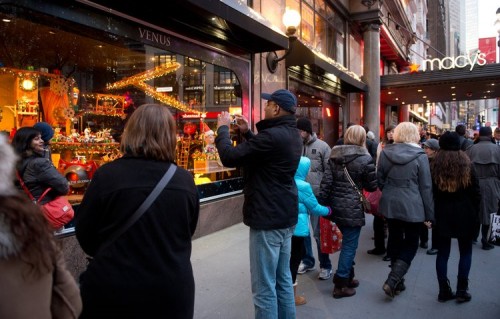
Illustration '2019 ARTICLE FEB Rise & fall of DS' (jpg - 0.11Mo)

Visitors of New York City gathered around holiday window displays in 2014.
Noam Galai/Getty Images
Today, department stores are known to incorporate technology, moving props, and bright lights into window displays. First beginning in the 1870s at Macy's, some chain retailers in New York City have made it a tradition to elaborately decorate store-front windows each holiday season, according to Macy's.
Greeting cards have been a staple of department stores for decades, even as far back as the 1940s.
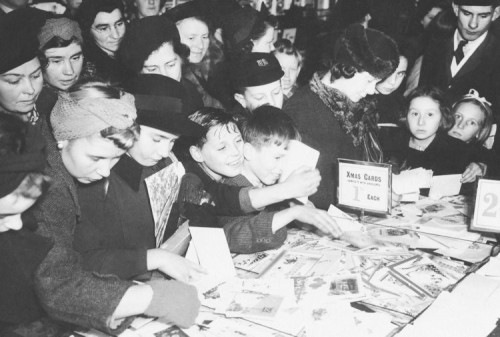
Illustration '2019 ARTICLE FEB Rise & fall of DS' (jpg - 0.09Mo)

On December 19, 1941, shoppers at a department store in London rushed to pick out $1 Christmas cards.
AP Photo
But, unlike today, cards appear to have been loosely strewn across a table for giant groups of shoppers to simultaneously dig through.
Now, department stores typically organize greeting cards using tall standing racks.
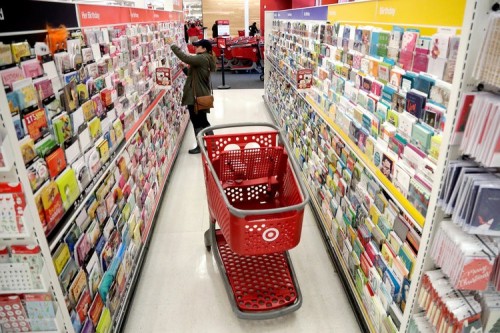
Illustration '2019 ARTICLE FEB Rise & fall of DS' (jpg - 0.16Mo)

A shopper perused the greeting card aisle of a Target store in 2018.
Julio Cortez/AP
The modern layout is far more organized, as cards are separated by occasion and price, among other factors.
Bonwit Teller was once a prominent luxury department store in New York City.
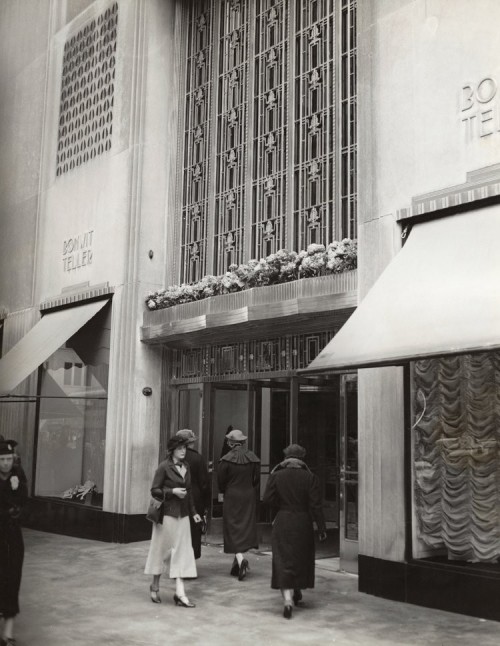
Illustration '2019 ARTICLE FEB Rise & fall of DS' (jpg - 0.16Mo)

In the '50s, many women shopped wearing long skirts and short heels.
George Rinhart/Getty Images
The store was known for selling a range of high-end womens' clothing inside a luxurious limestone building.
Shopping at the store in the '50s was a luxurious experience.
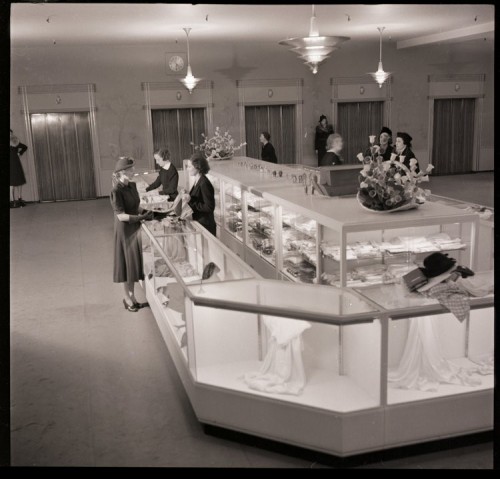
Illustration '2019 ARTICLE FEB Rise & fall of DS' (jpg - 0.09Mo)

The linen department in the 1950s was almost empty except for a center counter.
Bettmann/Getty Images
Merchandise was minimal, allowing customers to focus on specific items rather than an overwhelming amount of options.
But by 2000, every Bonwit Teller store had gone out of business.
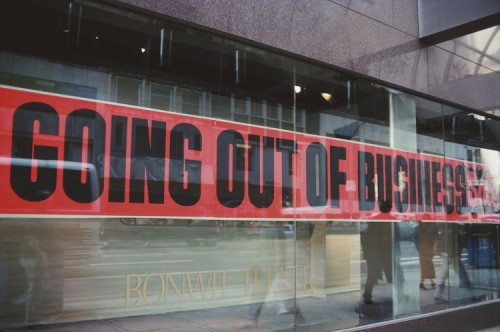
Illustration '2019 ARTICLE FEB Rise & fall of DS' (jpg - 0.08Mo)

The last remaining Bonwit Teller store closed its doors in Carousel Center Mall in Syracuse, New York, in 2000.
Barbara Alper/Getty Images
In 1979, the Bonwit Teller company was sold from its original owners to outside corporations. Ten years later in 1989, the store filed for bankruptcy and began to shut down all of its stores, with its last location closing in 2000.
While the flagship Bonwit Teller store would have been exempt from the closure, the building was purchased by Donald Trump in 1979. Many have since credited Trump with demolishing the historic art-deco building to create Trump tower.
Shoppers had to fight for discounted items in the 1950s.
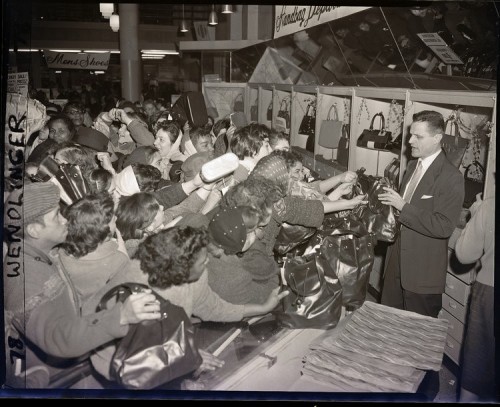
Illustration '2019 ARTICLE FEB Rise & fall of DS' (jpg - 0.13Mo)

In 1959, shoppers rushed the handbag counter of a New York City department store.
Bettmann/Getty Images
The United States' economy was booming in the 1950s, and, as a result, people went shopping. But the surplus of shoppers meant that there were more people interested in buying sale items, leading some people to fight over things like discounted handbags.
Today, you can purchase handbags from virtually any department store without battling other customers.
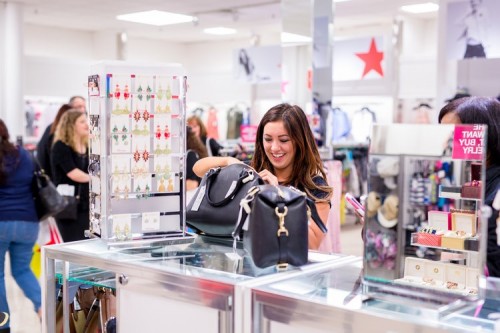
Illustration '2019 ARTICLE FEB Rise & fall of DS' (jpg - 0.09Mo)

A Macy's shopper checked out a handbag in 2016.
Jeff Fusco/AP
Brick-and-mortar stores rarely sell products that can't also be purchased online, so the same can be said for most items sold at department stores.
But current retailers do share some similarities with department stores of the past.
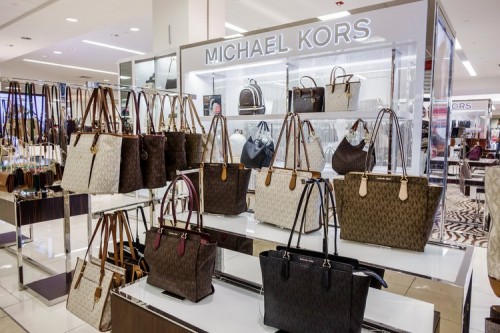
Illustration '2019 ARTICLE FEB Rise & fall of DS' (jpg - 0.13Mo)

Michael Kors bags are often placed in locked displays at Macy's, as they were in 2016.
Jeff Greenberg/Getty Images
While moderately-priced handbags are typically displayed in open aisles for shoppers to peruse, high-end purses usually get stored in glass cases or behind guarded counters, just like stores from the '50s. Still, there are hardly ever lines or mobs of people fighting to get one.
In the '60s, shoppers had tons of room to shop for merchandise.
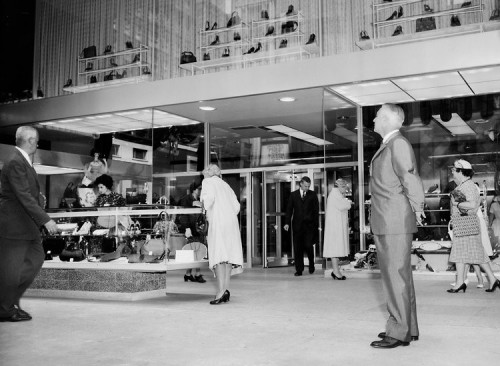
Illustration '2019 ARTICLE FEB Rise & fall of DS' (jpg - 0.11Mo)

Customers at Wieboldt's department store in 1961 browsed widespread shoe aisles.
Kirn Vintage Stock/Getty Images
Department stores appear to have been designed with distance in mind, from the widespread aisles to the carefully spaced-out merchandise on the shelves.
Now, department stores tend to display more products in a smaller space.
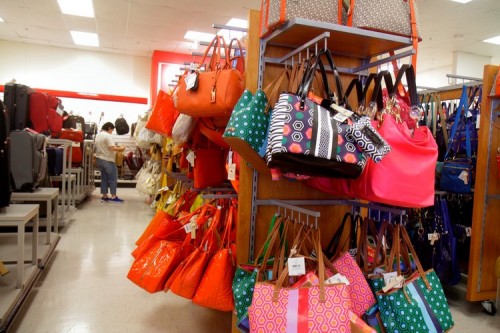
Illustration '2019 ARTICLE FEB Rise & fall of DS' (jpg - 0.13Mo)

A 2015 photo shows how TJ Maxx often places tons of merchandise on a single display.
Jeff Greenberg/Getty Images
In particular, department stores like TJ Maxx and Marshalls tend to make up for small spaces by displaying as much merchandise in one area as possible.
The checkout process has changed quite a bit since the '70s.
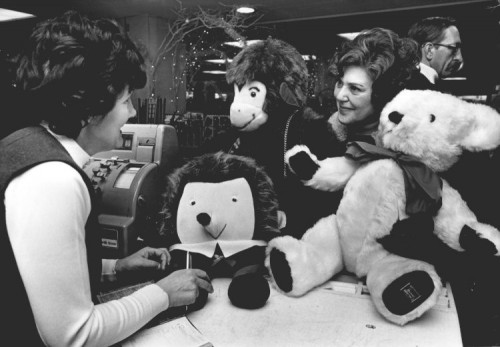
Illustration '2019 ARTICLE FEB Rise & fall of DS' (jpg - 0.08Mo)

A customer purchased stuffed animals from Rackhams Department Store in 1976.
Mirrorpix/Getty Images
Waiting on line and being helped by a cashier is still a standard process in many stores, but cash registers looked significantly different in the past than they do today. Large buttons were used to enter product prices, and screens for cashiers were practically nonexistent.
Modern shoppers often don't have to interact with a cashier if they don't want to.
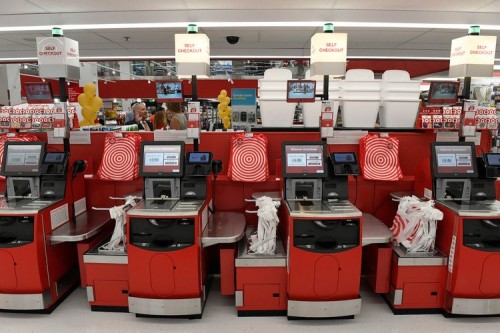
Illustration '2019 ARTICLE FEB Rise & fall of DS' (jpg - 0.12Mo)

Most Target stores, like this one in 2018, have self-checkout registers installed.
Helen H. Richardson/Getty Images
Instead, shoppers can use touch-screen self-checkout machines to purchase products from many department stores.
In the '80s, security was needed to control crowds of toy shoppers.
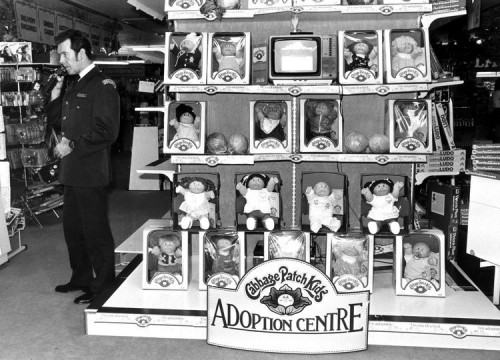
Illustration '2019 ARTICLE FEB Rise & fall of DS' (jpg - 0.14Mo)

Security in a Manchester department store in 1983 waited for crowds of customers.
Manchester Daily Express/Getty Images
Specifically in 1983, Cabbage Patch Dolls became one of the hottest toys ever sold after shoppers flooded department stores in search of them. Some people went as far as driving hundreds of miles to find one, while others fought fellow shoppers to get the last dolls.
Today, you don't have to worry about encountering major crowds in department-store toy aisles.
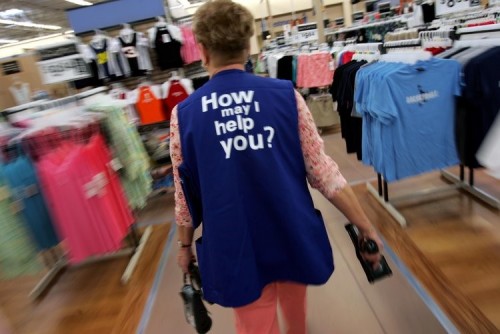
Illustration '2019 ARTICLE FEB Rise & fall of DS' (jpg - 0.08Mo)

Many department stores have employees readily available to help customers shop.
J.D. Pooley / Stringer/ Getty
Retailers are seeing an increase in toy sales after Toys R Us liquidated its American stores last year, but that doesn't mean you'll have to fight your way through the aisles. Department stores are welcoming the new traffic, increasing the size of toy departments and offering more toy options for customers.
Beauty counters were pretty simple in the '90s.
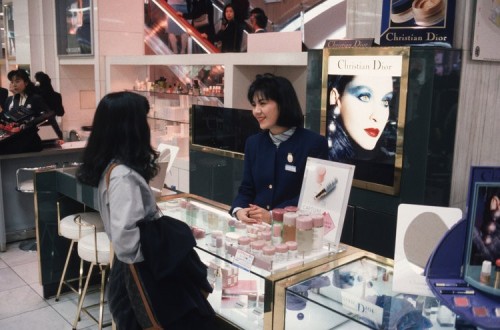
Illustration '2019 ARTICLE FEB Rise & fall of DS' (jpg - 0.09Mo)

In 1990, a customer sat at a beauty counter in a department store in Shibuya, Tokyo, Japan.
Gerhard Joren/Getty Images
Small posters were used to advertise beauty brands, modest ranges of samples were placed on countertops, and both customers and makeup artists would sit while discussing products.
Today, it's unlikely that you'd find such understated cosmetic counters.
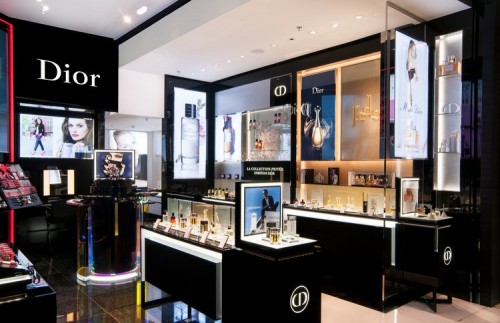
Illustration '2019 ARTICLE FEB Rise & fall of DS' (jpg - 0.1Mo)

A department store's modern Dior beauty counter in 2015 is brightly lit and full of sample products.
Alessandra Grochko/Flickr/Attribution License
Instead, current department stores install eye-catching beauty stands. Products are illuminated by bright lights, samples are abundant, and advertisements are often electronic.
Business was booming at Sears in the early 2000s.
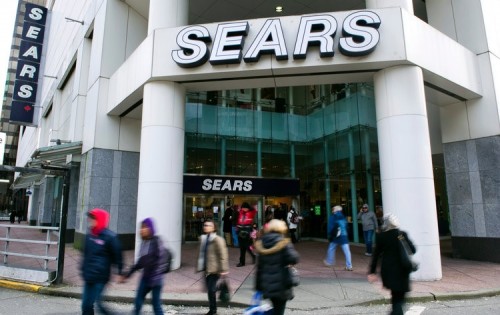
Illustration '2019 ARTICLE FEB Rise & fall of DS' (jpg - 0.09Mo)

Sears is one of the oldest department stores in America, being formed in 1886.
Andy Clark/Reuters
At the start of the millennium, Sears acquired a new CEO, created partnerships with at least three different companies, and hit an all-time high stock value.
Unfortunately for customers, the company went bankrupt in October 2018.
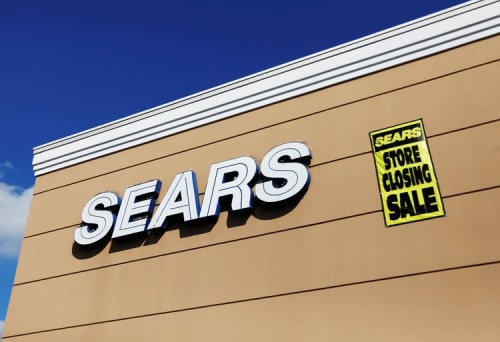
Illustration '2019 ARTICLE FEB Rise & fall of DS' (jpg - 0.07Mo)

80 more stores were announced to be closing at the start of 2019.
Shannon Stapleton/Reuters
Many now believe that the company will soon liquidate all of its remaining stores.
Bjarke Ingels defines the urban department store
Bjarke Ingels defines the urban department store
Published by The Financial Times on 2 February 2019
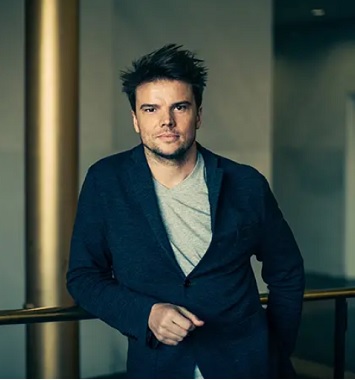
Bjarke Bundgaard Ingels, the 44-year-old Danish architect and founder of Bjarke Ingels Group, known as Big, juggles many projects. On a tour around the architectural practice he founded in Copenhagen 13 years ago, I see digital renditions for the Google headquarters in California and London he is working on with the British designer Thomas Heatherwick. From the office
windows, one can almost glimpse the silvery façade of the Amager Resource Centre, a waste resource plant he has just completed on the outskirts of the city: it has the world's longest artificial ski-slope on the roof. He is working on a $2bn campus master plan for the Smithsonian Institution in Washington, DC, and the "Big U defences", a barrier system designed to protect Lower Manhattan from tidal surges. That evening, we eat at Noma 2, one of the world's most famous restaurants. Completed by Big last year, the timber-lined dining room is housed in [...] read full article below
full article: Bjarke Ingels defines the urban department store
picture of galeries lafayette champs-élysées
SEARS: a victim of old age, mismanagement or evolution?
SEARS: a victim of old age, mismanagement or evolution?
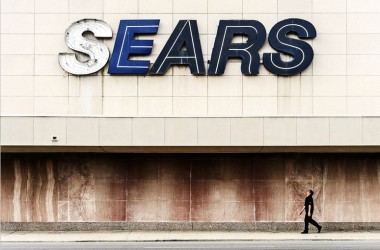
Much has already been said and written about the bankruptcy of Sears, the 132-year old retail giant, announced on 15 October 2018. Sears has been described variously as "a grand icon of American business" and even as "a symbol of American capitalism". The company has occupied a place in the US imagination rivalled perhaps only by Ford, GE, and IBM historically, and more recently by Apple. It shares with the latter a type of intimacy resulting from close contact with customers' private lives and aspirations.
There are several possible reasons why it has attracted so much attention:
- Growth
Founded in 1886 as Sears Watch Company (incorporated as Sears, Roebuck and Co in Chicago in 1892), it was the first ... click below to read the full article
full article 'SEARS: A VICTIM OF OLD AGE, MISMANAGEMENT OR EVOLUTION?'
Objectives and Key Results (OKRs)
Objectives and Key Results (OKRs)
See a video of John Doerr, author of Measure what Matters, explaining the meaning of OKR in an MIT video. OKRs are used by Breuninger, for example, as outlined by CEO Holger Blecker at the CEO meeting in May 2018 in Copenhagen.
Read also the article below by Don Sull.
How millennials became the world's most powerful consumers
How millennials became the world's most powerful consumers
They are the biggest global generation — and their choices are upending business from the US to China
When Scott Norton and Mark Ramadan were undergraduates at Brown University in Rhode Island a decade ago, they were horrified not by the 2008 financial crisis but by Heinz tomato ketchup. The bright red sauce was so common in shops and kitchens round the world that it seemed it would be there forever. "At the centre of supermarkets were all these classic American brands that hadn't evolved in 70 years," recalls Mr Norton.
As they talked to their student friends, they realised that none of them wanted bland, mass market products shipped from factories by huge corporations. So they started to [...]
Read full article on "How millennials became the world's most powerful consumers"
Video
[](https://www.iads.org/files/pmedia/public/r330917millennials_mp4.mp4)
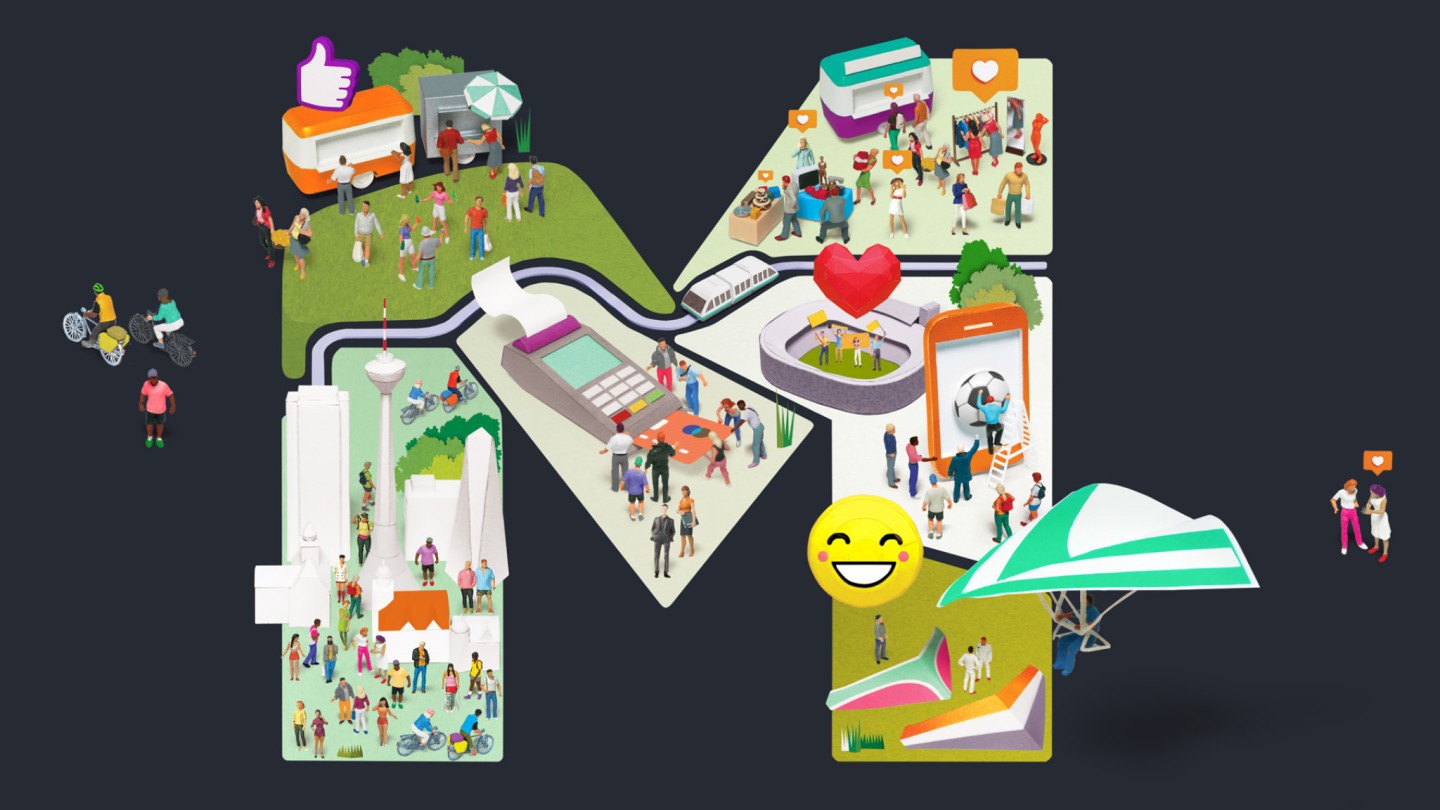
Using Private Labels to stand out from the competition
Using Private Labels to stand out from the competition
Analysis by IADS Merchandise Group
More on retailers' Private Labels
>> Pictures from Parisian department stores' Private Labels
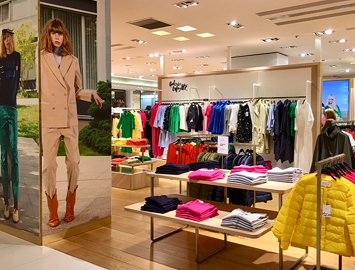
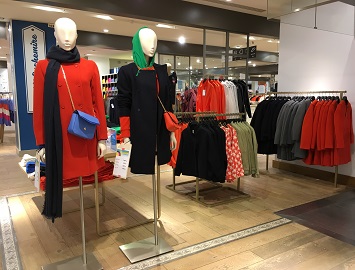
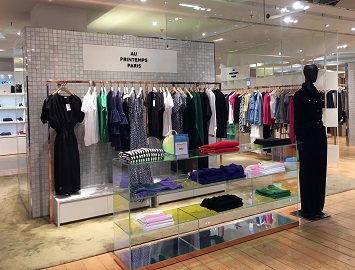
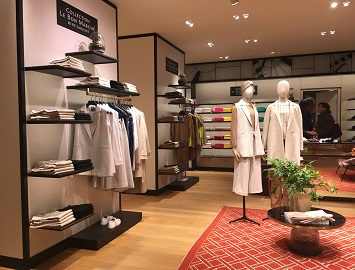
In a move to counter Amazon and its more than 40 private brands -including in healthcare medications and treatments- American retailers are betting on their own private labels to stand out.
>> Walmart
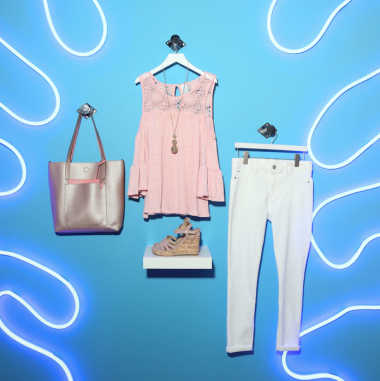
This spring, Walmart will officially launche three new private brands, and will relaunche an old one: Time and Tru for women, plus-size label Terra & Sky and Wonder Nation for kids. George, which bowed in the U.S. years ago, is also part of the programme as it is being relaunched exclusively for men
Read more about walmart new private labels
>> Target
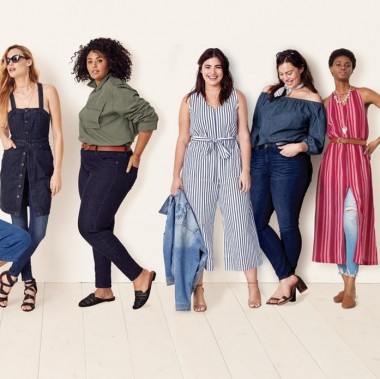
The retailer officially launched Universal Thread, a clothing and accessories brand tailored to fashion girls of all sizes. The label features "on-trend pieces that were designed with a laser-focus on fit, quality, and value," including denim (the brand's cornerstone), tops, dresses, accessories, and shoes.
The retailer also launched two new home and lifestyle brands (in September 2017 and November 2017) and will launch a third one in April 2018. Target is finding good reason to invest in the home sector: data shows that the guests who buy home are some of the most loyal customers across all areas. So what came out of this recent launches is that not only they performed very well, they've also driven rise across the other brands and other sections of the store.
read more about Target 'Universal Thread' brand
read more about Target new home & lifestyle brands
>> J.C. Penney launches 'Obsess' line for tweens
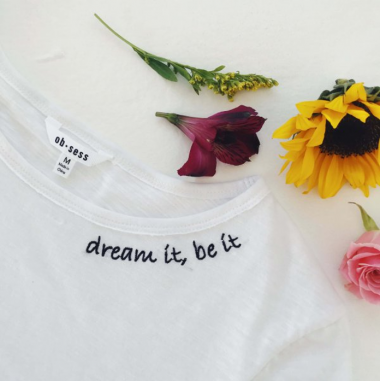
Seeking to attract a younger, digitally inclined tween generation, J.C. Penney is launching Obsess, a private fashion brand with "rotating capsules" inspired by influential young women promoting a positive body image. "Obsess is a very unique brand that allows J.C. Penney to reach a generation of girls who move rapidly from one fashion trend to another, as they discover new style inspiration through daily social media feeds," said James Starke, Penney's senior vice president of merchandising. [...] As we focus on driving business to J.C. Penney, we have an opportunity with Obsess to attract an entirely new, and often elusive, Generation Z customer. Gen Z holds $44 billion in buying power and is on track to become the largest consumer segment over the next few years, representing significant sales growth potential."
Obsess launched at jcpenney.com and in 500 Penney's stores on 2 March 2018.
see pictures of JC Penney first 'Obsess' collection
Magazines
see the lookbooks of IADS Members' private brands
Delivering through Diversity
Delivering through Diversity
