
News

Central of Bulgaria plans capital increase
Central of Bulgaria plans capital increase

Bulgaria's Central Department Store company, owner of the retail and office building of the same name in central Sofia, said that it is planning to raise some 6.4 million levs ($3.6 million/3.3 million euro) through a capital increase.
All new 6,385,989 shares will be offered for subscription at a price of 1 lev apiece to local company Bulinvest Com, Central Department Store said last week in an invitation for a shareholders' meeting. The shareholders of Central Department Store will vote on the company's proposal at a meeting scheduled for October.
Central Department Store closed 2018 with a net profit of 284,000 levs on revenue of 4.8 million levs, according to the company's annual financial statement.

Myer sales down but profits up
Myer sales down but profits up
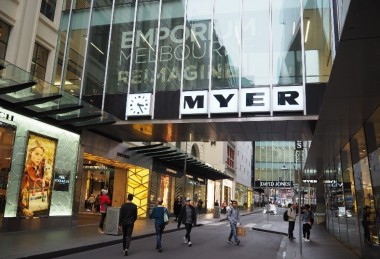
Myer has reported a profit for the first time in nine years, but sales at the department store chain continue to fall. The company managed a narrow full-year profit of $24.5 million, while revenue for the 12 months to June 30 fell by 3.5 per cent to $2.99 billion. The company again refrained from paying a dividend.
Chief executive and managing director John King hailed cost management, which he said saved $32.6 million through a new staffing model, a more focused marketing spend and reduced store occupancy.
Since July 2018, Myer has either closed or announced the closure of 29,000 square metres in store GLA with a further 5 per cent to 10 per cent under active discussion. John King says there is more to be done to transform the business:
"In addition to cost savings expected with further space reductions, material opportunities remain to reduce costs in supply chain and fulfilment as well as other non-customer facing activities." he said.
The company also says that a "significant brand refresh" was currently under way with an additional 40 new brands set to arrive in-store by this Christmas, including Oasis, Warehouse, Karl Lagerfeld Paris, Selected Femme, Selected Homme, Vero Moda, Fiorucci, Rotate by Birger Christensen, Jack London, Twisted Tailor and Acqua di Parma.
De Bijenkorf opens online in Germany
De Bijenkorf opens online in Germany

Netherlands-based department store de Bijenkorf, part of the Selfridges group, has launched its website in Germany. It offers products from around 1000 brands. This is the third market where the store is active since it is already available in Belgium. Payment methods offered are Klarna, Giropay, iDeal, Visa/Mastercard, American Express and PayPal. Orders will be delivered within two days, whereas in the Netherlands delivery takes one day.
Harvey Nichols launches omnichannel concept store in Hong Kong
Harvey Nichols launches omnichannel concept store in Hong Kong
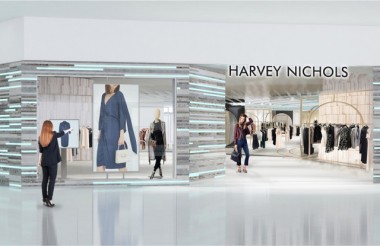
Harvey Nichols soft-launched an omnichannel concept store on Monday 16 September 2019, part of an almost $32 million re-haul of the business that dramatically transforms its Pacific Place mall store location and global e-commerce offerings. One of its goals with the concept is to drive in-store pick-up of orders to 35 percent (up from 25 percent now). The website will focus on stocking major international brands, while the physical store will be more focused on promoting new and emerging labels. The availability of stylists, even to online shoppers, is another key initiative for the brand.
full article by wwd "Harvey Nichols launches omnichannel concept store"
Duty free dents profits at Hyundai
Duty free dents profits at Hyundai

In spite of an increase in overall sales in the last quarter, Hyundai Department Stores of Korea showed a downturn of operating profit of -32.7% due to heavy losses from the new duty free business which opened last November. The increase in sales was due to the duty free operation in the Gangnam store which, like that of its competitor Shinsegae's Gangnam store operates at a loss. Overall, Hyundai's duty free operations run at a loss while Shinsegae manages to be profitable. This is probably because Shinsegae has a store in the key tourist area of Myeong-dong whose profits offset losses from stores in other areas. Hyundai will need to grow its duty free business whose share is estimated to be around 2% currently. The core department store business is apparently profitable.
Dillard's to exclusively introduce Kurt Geiger's Carvela brand
Dillard's to exclusively introduce Kurt Geiger's Carvela brand
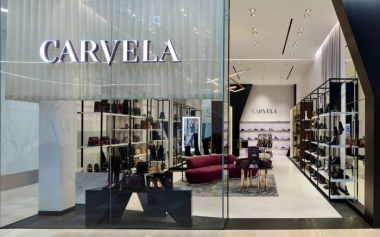
Kurt Geiger is introducing its new Carvela business to US shoppers. After relaunching its namesake Kurt Geiger London footwear brand in the States in 2018, the British fashion powerhouse is now turning its attention to growing the Carvela women's footwear and apparel label abroad. For that, the company has signed an exclusive partnership with Dillard's, an upscale Arkansas-based department store chain that will carry the footwear and accessories line in 75 locations. Dillard's will initially launch with a cruise collection, consisting of heels, on-trend fashion sneakers and a selection of sandals ranging from $85 to $150. An exclusive ad campaign will help promote the debut. "We are honored to welcome the Carvela collection to the United States," said Dillard's director of exclusive branded footwear, Michelle Dillard Hobbs, "we continually seek new, exceptional brands, and Carvela is a perfect addition to our curated footwear assortment." The collection will launch in Dillard's store in December.
press release: Dillard's Brings British Brand Carvela to the US
Hong Kong retail suffers
Hong Kong retail suffers
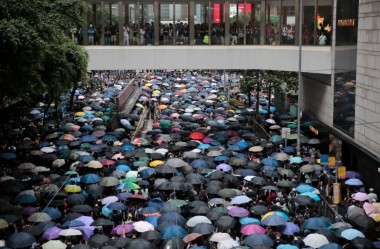
Government data from Hong Kong shows that retail sales in July fell 11.4% from a year earlier as visitor numbers began to fall and social unrest hurt consumer sentiment. The unrest which originated in June over a now-suspended extradition bill, has now been transformed into broader calls for democracy for the former British colony which returned to Chinese rule in 1997. Retail sales fell to HK$34.4 billion in July, a sixth consecutive month of declines. The decline is exacerbated by the strains of China's economic slowdown, a weak Chinese yuan, and fallout from the Sino-US trade war. The government recently cut its full-year growth forecast to 0-1%, down from 2-3% previously. Hotel occupancy has been falling and retailers are expecting further drops. According to one report, department store operator Lifestyle has described the retail sector as challenging as people lose the appetite to consume.
Ocado automated warehouse gains interest
Ocado automated warehouse gains interest
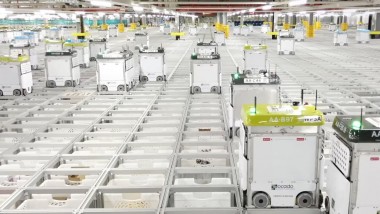
UK online grocery company Ocado, which was set up 20 years ago to service the Waitrose supermarket chain of John Lewis, is developing its automated warehouse system in the US. It signed a deal last year with large supermarket group Kroger to build up to 20 Customer Fulfillment Centers (CFCs) using Ocado's automated technologies. The John Lewis Parnership no longer holds any participation in Ocado. Earlier this year, Ocado and Marks & Spencer announced a joint venture whereby M&S acquired a 50% share in Ocado's UK retail business. The automated warehouse system of Ocado attracted a great deal of attention as an innovation, and also because the warehouse in which it operated in the UK accounting for 10% of the company's business was ravaged by a fire last February which burned for three days and caused residents to be evacuated. This did not deter Kroger which is planning to open its first 33 000 m² centre in Monroe, Ohio in 2021 at a cost of $55 million.
article: Ocado prays warehouse blaze won't douse its hopes for a hi-tech future
Jack Ma retires from Alibaba
Jack Ma retires from Alibaba
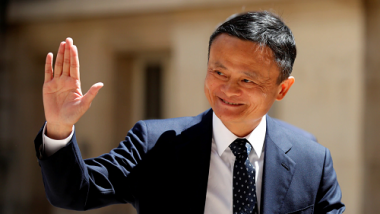
Mr Jack Ma formally retired on 10 September from Alibaba, the Chinese e-commerce giant he founded that helped transform the way hundreds of millions of people shop and made him one of the world's richest men. Starting as a company that aimed to connect Chinese manufacturers with small foreign businesses, Alibaba struck gold when it switched its focus to become an online marketplace for Chinese sellers and consumers.
Mr Daniel Zhang, Alibaba's chief executive, will succeed the 55-year-old Ma as executive chairman. Mr Ma, however, will remain a considerable force at the company. He is a lifetime member of the Alibaba Partnership, a group of a few dozen employees with tremendous power over the company's board and leadership. The partnership also holds sway over key licenses that Alibaba requires in order to do business on the mainland.
Ma will also still control the parent company of Alipay, the Chinese online payment system used in many of Alibaba's digital marketplaces. That business fiercely competes with WeChat, owned by Tencent Holdings, which has become a power in online payments in China, giving Mr Ma a continuing challenge on the business front.
Ma has said he will devote his time to philanthropy, especially rural education.
Harvey Nichols sets foot in the circular economy
Harvey Nichols sets foot in the circular economy

Harvey Nichols is introducing an after-care programme for luxury accessories that invites customers to bring in shoes and bags for refurbishment within 18 months of purchase. The programme was created in partnership with London startup The Restory, whose services include cleaning, reheeling, leather conditioning and colour restoration (for an extra £120 for shoes or £250 for bags). The package is available at the UK department store only, which claims a commission on each sale. It is also cheaper for clients than if they approach The Restory directly for similar services. The collaboration stemmed from customers' desires to have items last longer at a time when sustainability and the circular economy is top of mind for fashion. By improving and lengthening the lifespan of luxury goods, Harvey Nichols is also contributing to the secondhand luxury market : customers often bring in items that they previously haven't been able to sell on a secondary site, in hopes that restoration will improve the likelihood of resale.
M&S offers discount for use of own reusable containers
M&S offers discount for use of own reusable containers
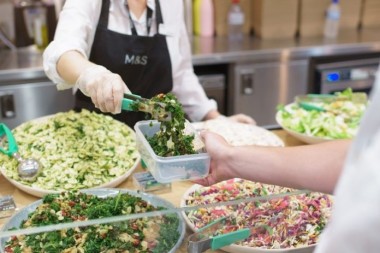
Marks & Spencer has introduced a new scheme that encourages customers to bring their own reusable containers to M&S's Market Place food-to-go counters, whereby they receive a 25 pence discount off each meal for doing so. M&S already offers a 25p incentive for hot drinks served in reusable coffee cups since last year. The retailer hopes the discount will encourage a change in consumer behaviour and reduce the use of disposable items on the high street.
M&S also just launched a new, widely recyclable terracotta CPET tray to replace the hard-to-recycle black plastic used in its ready meals. The retailer pledged to completely remove all black plastic from its food division by the end of 2020.
Meghan Markle partners with retailers on clothing line
Meghan Markle partners with retailers on clothing line

Duchess of Sussex Meghan Markle is partnering with clothing brands to create a new clothing line. Markle explains that she partnered with retailers Marks & Spencer, John Lewis & Partners, Jigsaw, and designer Misha Nonoo, to create a capsule line of clothing. For each piece sold in the stores, another will be donated to Smart Works, an organization that provides clothing to women in need. The collection will be made available at the end of this year.
In January, Kensington Palace announced that Markle was appointed Royal Patron of Smart Works, a charity that helps women get appropriate outfits for job interviews. "Once they score their dream job, they come back for a second outfit, to see them through until their first pay cheque," Markle writes.
Macy's & JCPenney debuts secondhand apparel sales with ThredUp
Macy's & JCPenney debuts secondhand apparel sales with ThredUp
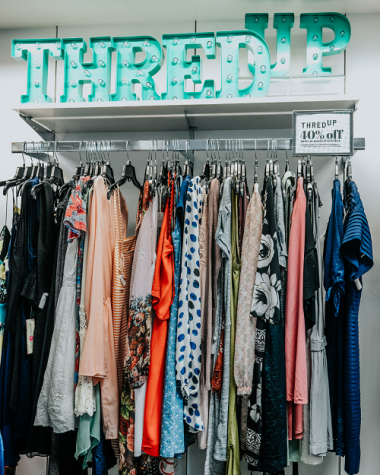
Major US department store chains JCPenney and Macy's have both announced they will debut selling used apparel through partnerships with San Francisco-based fashion resale company ThredUp.
JCPenney said that 30 of its stores will start offering a seasonal array of resale handbags and women's fashion from the secondhand apparel company, with the assortment uniquely branded in a 500 to 1,000-square-foot presentation. To keep things fresh, the department store chain said it will be switching up the curated assortment of ThredUp items on a weekly basis.
Macy's said its pilot program would involve 40 stores, offering styles and brands not normally found at Macy's. It's a good use of store space and a good match. However Macy's won't take ThredUp consignments or returns, except for returns of ThredUp merchandise purchased at Macy's stores.
ThredUp has made a name for itself as one of the best-known online outlets for better-quality and premium-brand secondhand clothing. The company allows customers to shop for individual items, as well as order packages of clothing based on preferred styles, brands and sizes. Customers then pay only for the items wish to keep. The company also lets people send in secondhand clothing that it sells on consignment if it meets ThredUp's quality standards.
Hudson's Bay Co sells Lord & Taylor
Hudson's Bay Co sells Lord & Taylor
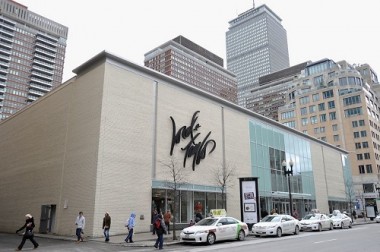
Fashion rental company Le Tote will acquire Lord & Taylor for 99.5 million Canadian dollars in cash (USD 75 million) and a secured promissory note for CAD 33.2 million payable in cash after two years. Le Tote will get the Lord & Taylor brand and related intellectual property, and assume operations of 38 stores, digital channels and associated inventory. Meanwhile, Hudson's Bay Company will get an equity stake in Le Tote, two seats on its board and "certain rights as a minority shareholder." As for the reat estate, it remains with Hudson's Bay. Le Tote can operate the existing stores rent-free for three years.
press release on HBC selling Lord & Taylor to le tote
Canada's Catalyst buys 10% of Hudson's Bay Co.
Canada's Catalyst buys 10% of Hudson's Bay Co.
Buyout firm Catalyst Capital Group Inc said it will acquire a significant stake in Hudson's Bay Co, a move that could block the department store's executive chairman's plans to take it private for C$1.74 billion.
Catalyst's acquisition, which it plans to finalize within days, represents the most significant move yet that could prevent Hudson's Bay executive chairman Richard Baker from taking the company private with a consortium of shareholders holding 57 percent of the company. Baker needs a majority of minority shareholders to approve any deal he offers for the owner of department stores Saks Fifth Avenue, Lord & Taylor and Hudson's Bay.
Macy's issues profit warning
Macy's issues profit warning
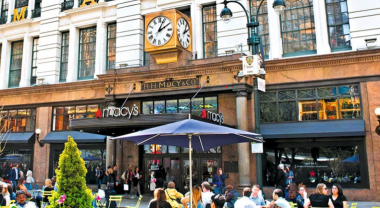
On the occasion of its quarterly results announcement, Macy's left its top-line forecast for the year unchanged, that is flat or up by a maximum of 1%, but lowered guidance for adjusted diluted earnings per share. Management cited a slow month of May, the weather and a drop in tourism which hurt mainly Bloomingdale's. The announcement was a blow to retail in spite of the news that the White House was to delay tariffs on Chinese imports. Shares in Nordstrom and Kohl's, which report next week, were down around 10%. JC Penney was down 8%. Macy's is trying to breathe life into its business through initiatives such as the Backstage discount concept, and the Story pop-up brand, as well as generating double-digit growth from its digital business.
Nike launches subscription services for kids sneakers
Nike launches subscription services for kids sneakers
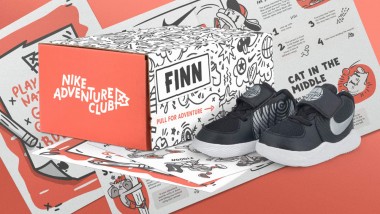
Retail giant Nike has launched the Nike Adventure Club, which sends a pair of Nike or Converse kicks at regular intervals. Aimed at children aged roughly from two to 10-years-old, families can get the sneakers on a monthly, bimonthly, or quarterly basis (four pairs each year for $20 per month, six annual pairs for $30 per month and 12 pairs for $50 per month). Customers can choose what style they want, from performance shoes for sport to casual everyday sneakers, and they can also skip months and easily swap sneakers if they don't fit or their kid doesn't like them.
Nike brought on 10,000 families from its customer base to test it out, and ultimately found that the parents most interested in this program were people who valued convenience and time over price. Kids grow out of their outfits very fast and families don't find the time to shoe shop with them. Nike is also pitching this program as a way to make kid's shoes more sustainable. When your child grows out of a pair or they get worn out, you can send shoes back (even non-Nike shoes)—either in the Adventure Club box or by requesting a prepaid shoe bag—to the company. If a shoe is in good condition, Nike will donate it to a non-profit; otherwise it will recycle it through its Grind program, which breaks down athletic footwear to turn it into other products, including running tracks and playgrounds.
Nike joins Target, Gap and plenty of others in focusing on a box subscription service for kids as retailers try to target busy parents with a convenience offering.
US warnings on retail jobs
US warnings on retail jobs

US retailers are warning that the new round of trade tariffs threatens to accelerate job losses in retail, the only sector of the economy to have shed jobs in the past two years. A wave of bankruptcies and store closures show that the retail trade is employing 49 000 fewer people in July 2019 than in July 2017. In contrast, transport and warehousing added 370 00 positions over the same period, according to the Federal Reserve Bank and the U Bureau of Labor Statistics. Although the 10% tariffs are lower than the 25% previously threatened, several retail associations have warned that they will prove too much for weaker businesses already struggling with thin margins and other pressures from changing consumer tastes and habits.
Job losses have been driven by bankruptcies of big employers including Sears as well as cost-cutting and store closures from May's and more recently from Lowe's.
Chinese stores suffer from online competition
Chinese stores suffer from online competition
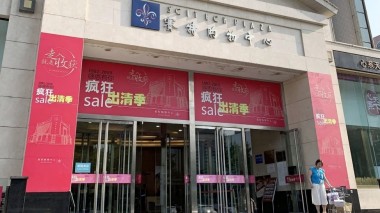
Alibaba group and others are challenging department stores in China according to a report in Nikkei Asian Review. Scitech shopping center which opened in Beijing in 1992 has put up a sign announcing it will go out of business by the end of the month. Scitech had been a joint venture between a local partner and Japanese retailer, Yaohan, which went bankrupt in 1997. Even after Yaohan pulled out in 1994, the store continued to thrive offering brands not easily available at the time. But competition heated up, sales dropped, and the store's most recent operator, Wangfujing Group, has decided to sell it off to a major real estate company which will run the business with another partner. Another store, Tianqiao Department Store, was put up for auction by the court to pay off creditors. It had been for sale but investors were apparently put off by the minimum asking price of around $65m. Ito-Yokado which opened in Beijing in 1998 is rethinking its strategy. After operating 9 stores in the capital, it closed all but one which it is now transforming into more of a leisure venue by inviting food and drink operators into the premises as well as a gym. Two months ago, Takashimaya decided to close its store in Shanghai and end its operations in China. It cited competition as well as slowing private consumption amid the trade war with the US. The store reported sales last year of 3.2 billion yen, up 0.7%, but an operating loss of 900 million yen, its seventh straight year of losses. It will concentrate on its three other foreign outlets: Ho Chi Minh City (with another possible opening in Viet Nam), Bangkok (which opened in autumn 2018), and Singapore (generating 20% of the company's operating profit).
John Lewis invites "four-legged customers"
John Lewis invites "four-legged customers"
r4683_9_john_lewis_invites_four-legged_customers-2.jpg
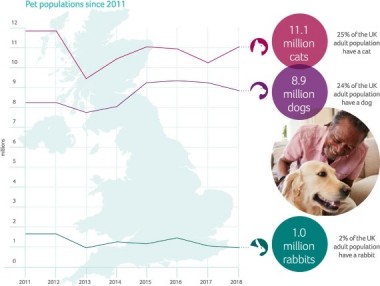
In what can only be seen as a step in the wrong direction, John Lewis is now allowing customers to enter their stores with their pet dogs. While the John Lewis stores and indeed many shopping centres have in the past resisted this request by pet owners, they are now saying that, if the dogs are well-behaved, there can be no objection. A successful pilot was run in Peter Jones on Sloane Square in London. Euphemisms such as "four-legged friends" are being used to make it more acceptable. The Trafford shopping centre in Manchester, for example, still forbids dogs from entering the centre. However, since the John Lewis store has a separate entrance, dogs can enter the store directly without going through the centre. Statistics show an increase in dog ownership in the UK. Apparently 24% of the adult population now owns a dog, with a national dog population of 8.9 million. Pet ownership in general is increasing. No figures are available on how many of the 76% of adults not owning a dog would prefer to be able to shop among humans only. One way of driving customers to shop online.
Saks Fifth Avenue's main floor renovation is complete
Saks Fifth Avenue's main floor renovation is complete
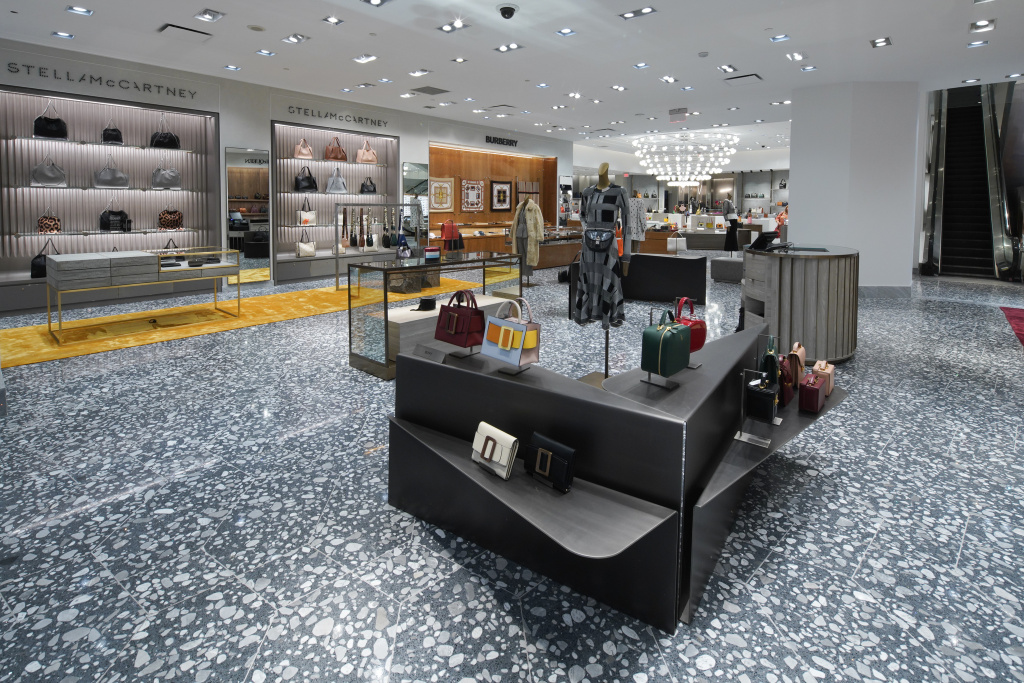
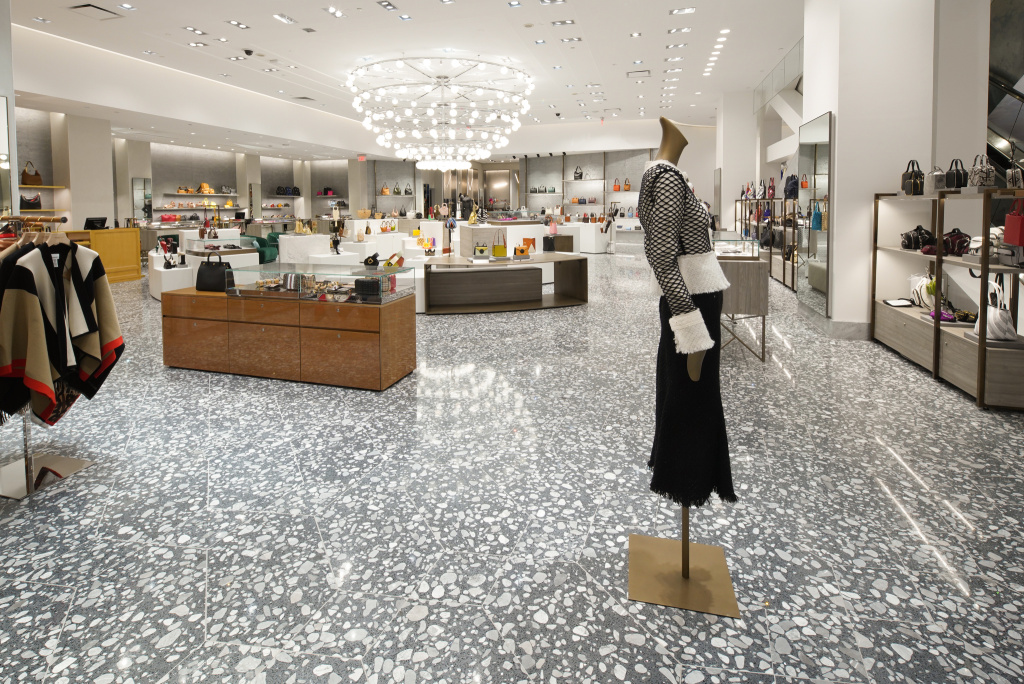
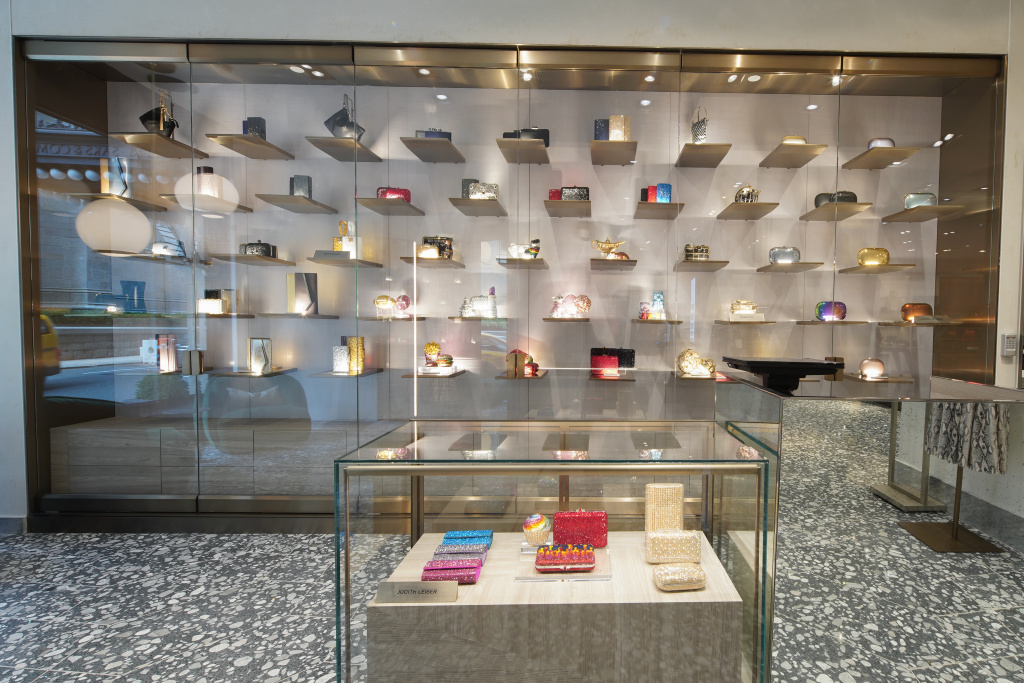
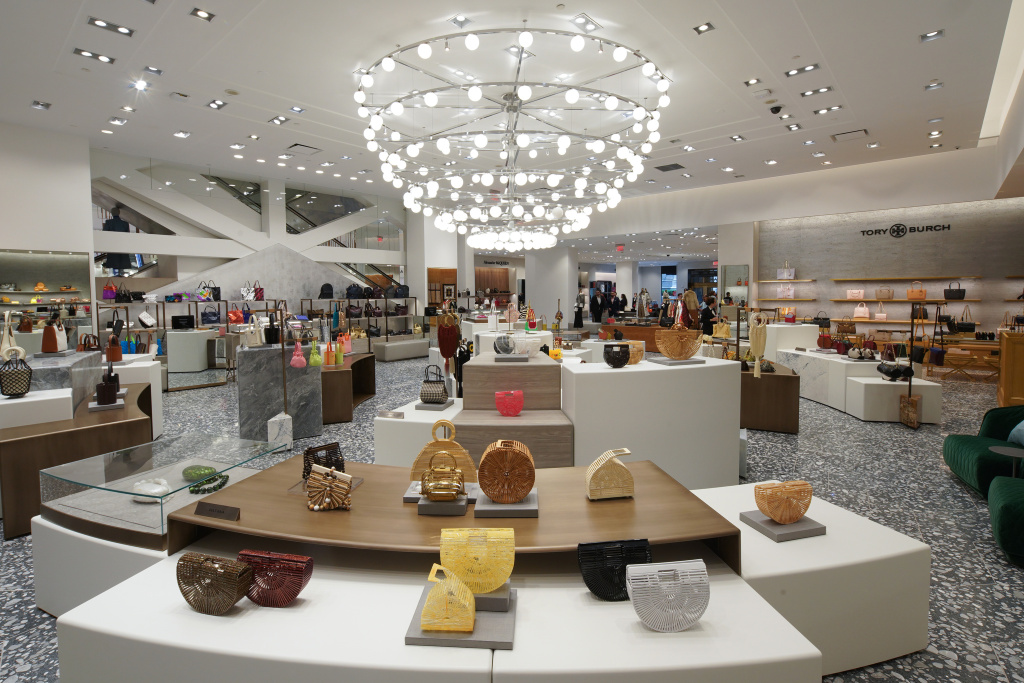
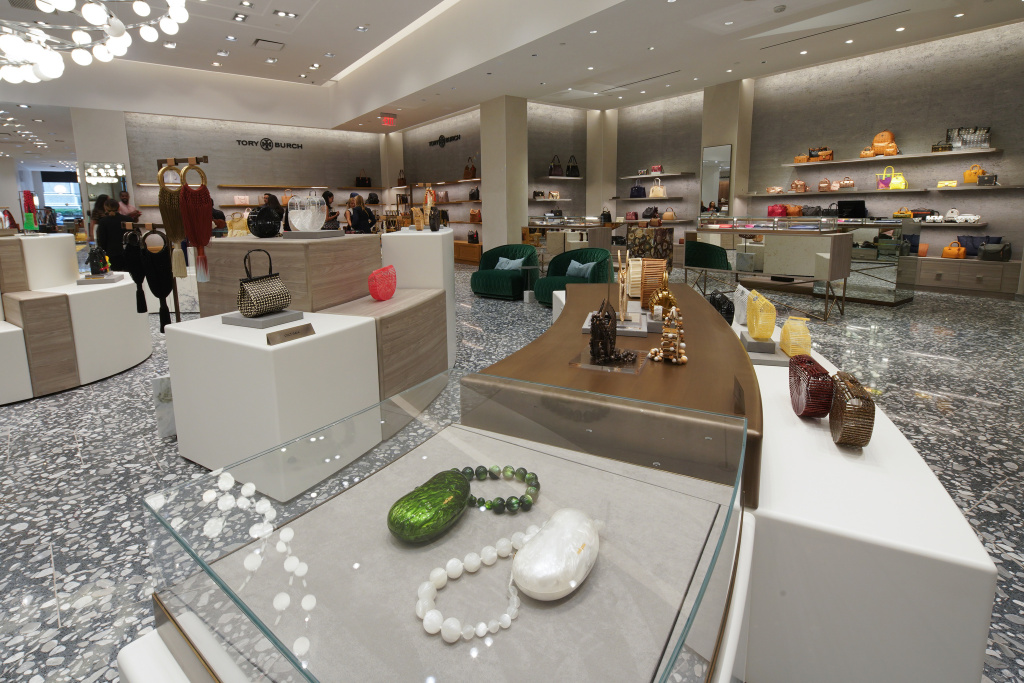
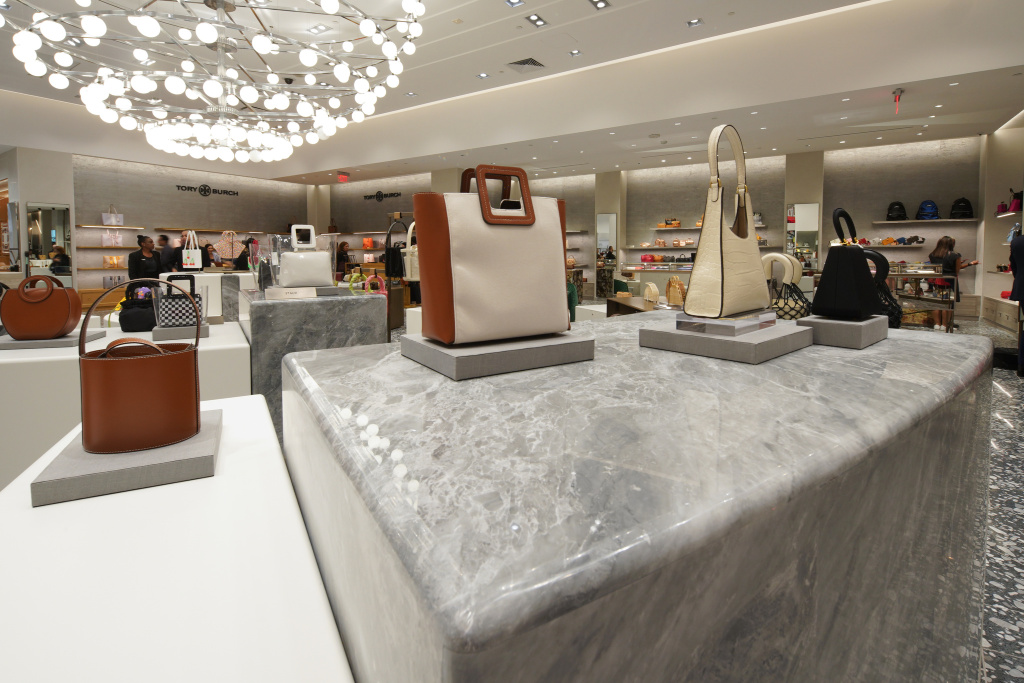
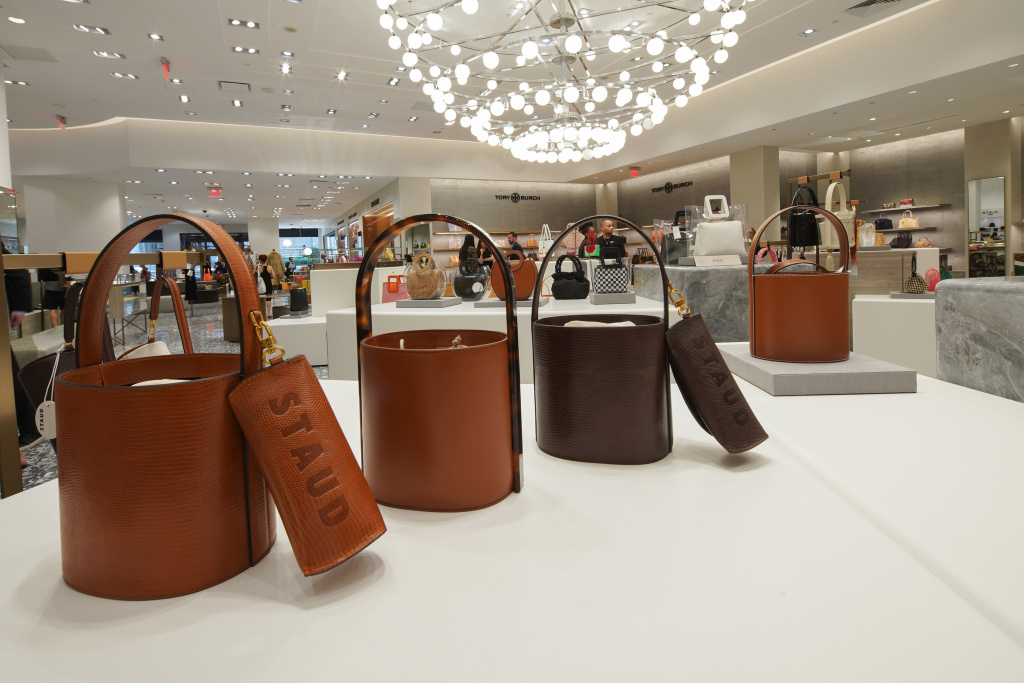
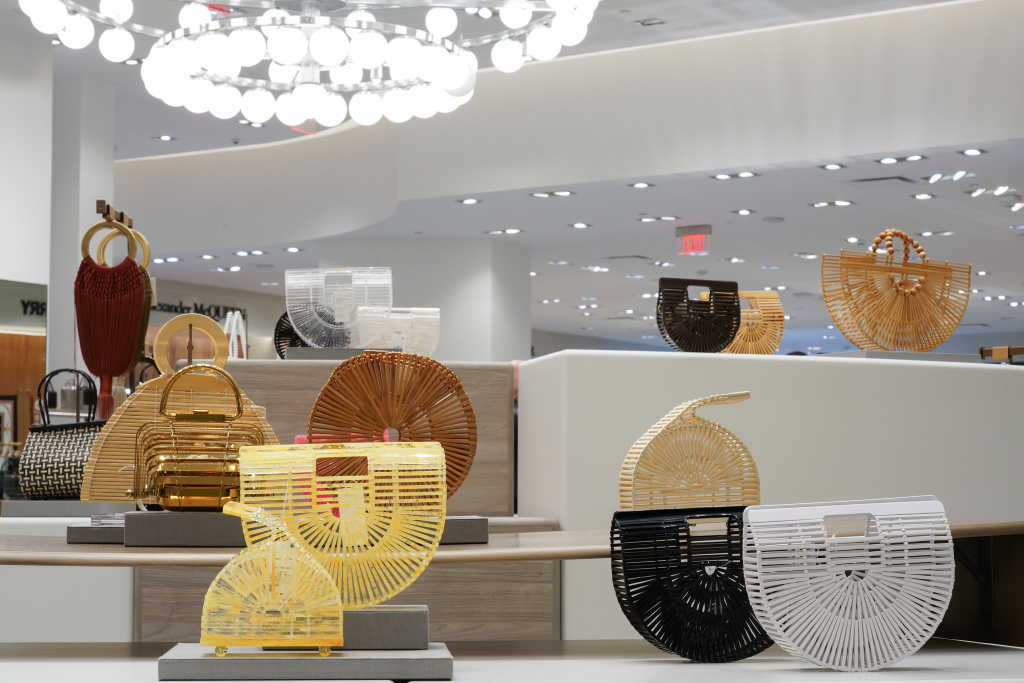
Saks Fifth Avenue has finished the last part of the renovation of the 4900sqm accessories main floor of its NYC flagship. Powerhouse luxury brands planted stakes near the high-traffic Fifth Avenue side of the store, for tourists to see ; and now the store carries a more robust offering than before, and nearly every luxury brand has created exclusive styles or colors for the retailer. There's also a section of emerging brands, the first Rimowa concept shop at a North American multibrand retailer, and an emphasis on personalization with Royce New York, among others.
full article from wwd on saks main floor renovation
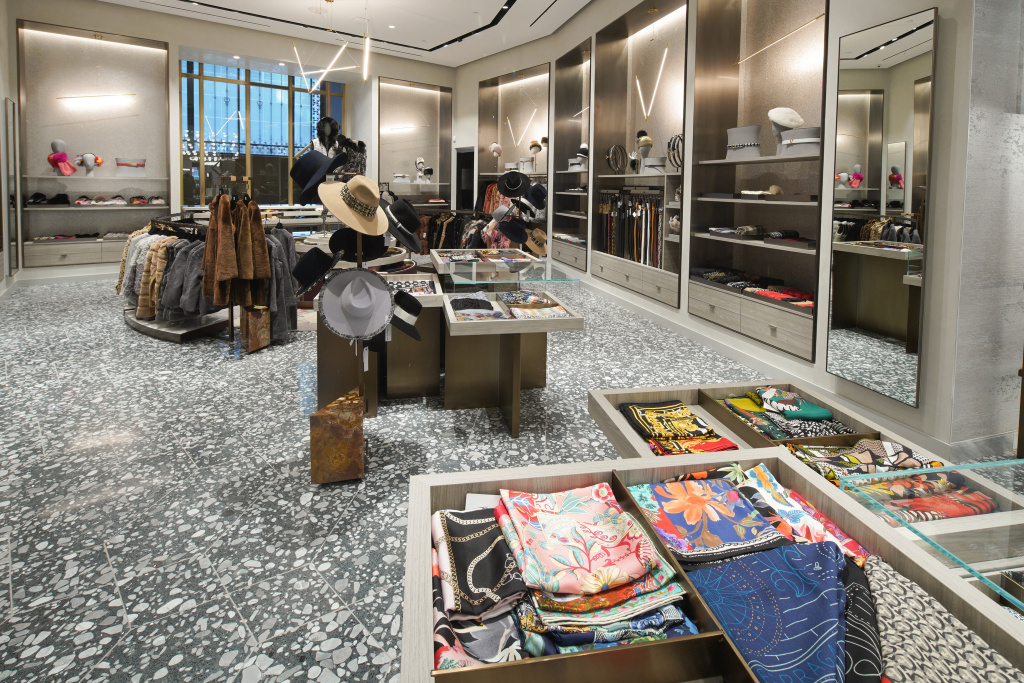
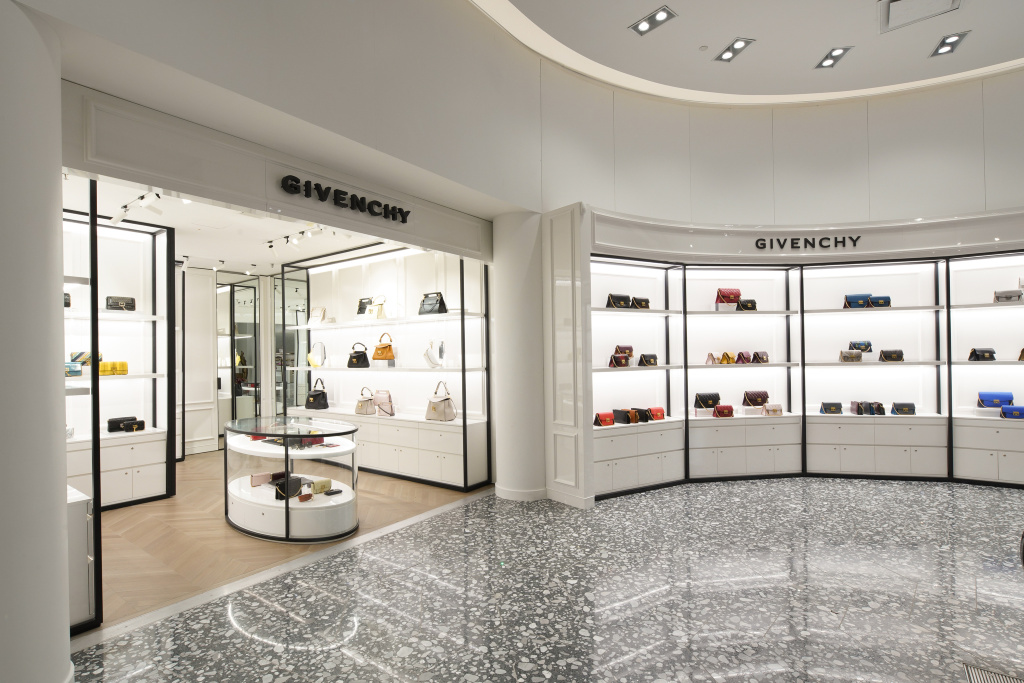
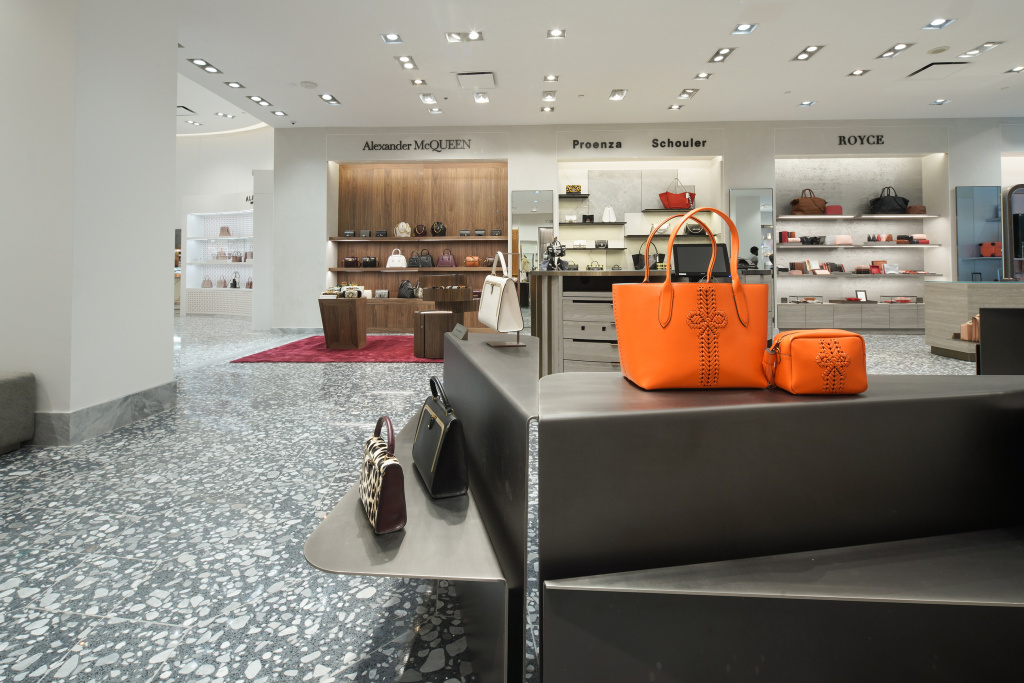
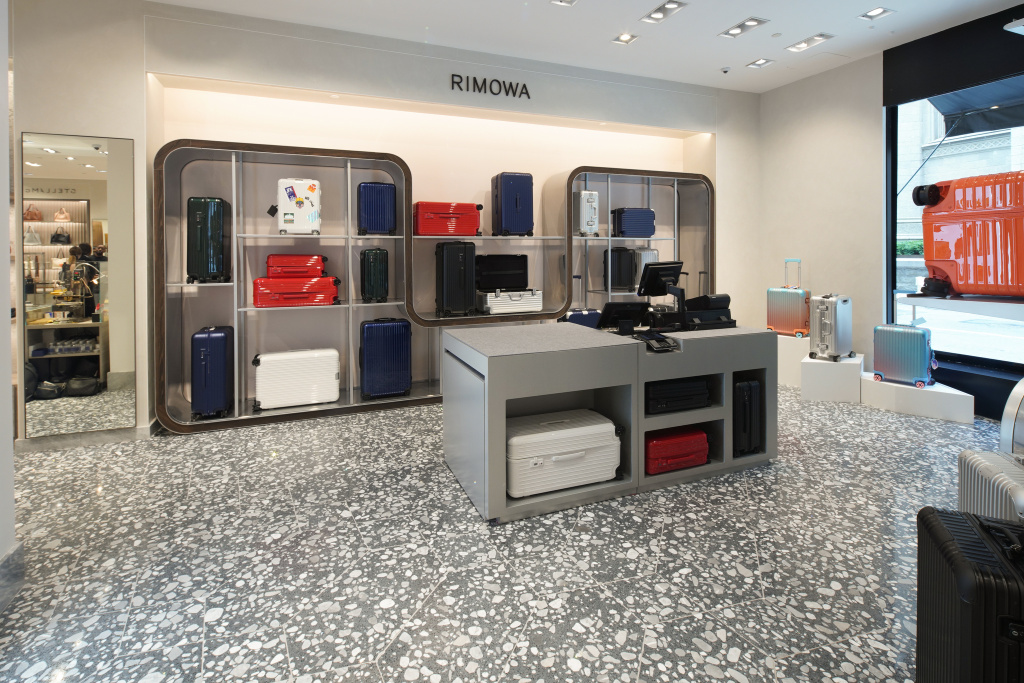
Globus appoints new buying director
Globus appoints new buying director
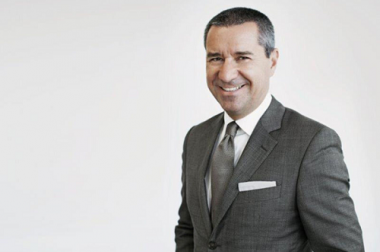
Globus of Switzerland, which was put up for sale recently by owners Migros Group, has appointed a new merchandise director in the person of Franco Savastano who will take up his post on 1 October of this year. Mr Savastano was CEO of Jelmoli department stores before which he was a director at Grieder-Bon Genie.
He replaces Reto Braegger who will move to become General Manager of the Navyboot, part of Globus since 2018, and which will play a more important role in the future.
press release on globus' new merchandise director (in french)
Third-party sales now dominate Amazon
Third-party sales now dominate Amazon
r4672_9_third-party_sales_now_dominate_amazon.jpg
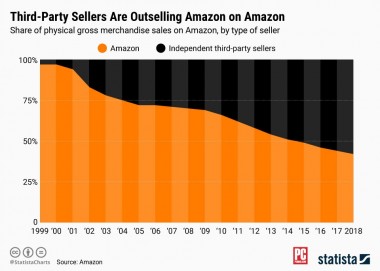
Amazon has recognised that third-party sales are now greater than own sales: third-party have grown from $0.1 billion in 1999 to $160 billion in 2018. Also the company makes more money from third-party sales. There's a new Marketplace Growth programme that gives sellers an account rep who advises them on all aspects of business. The company also lets sellers participate in Fulfillment by Amazon, which doubled sales for small to medium businesses on the site in 2018. Amazon also lends money to third-party sellers.
read article: Amazon is chasing growth and shifting resources to third-party sellers
Millennial-friendly marketplace Depop enters Selfridges
Millennial-friendly marketplace Depop enters Selfridges

London-based fashion resale app Depop has opened its first retail space in the UK, after partnering up with Selfridges.
Depop has taken over the luxury department store's Designer Studio up on the third floor, where it will trade for three months until October 2019.
The marketplace app will use the pop-up to champion its top sellers, giving them space to curate a selection of rare vintage pieces, up-cycled items and accessories.
The pop-up will also host a range of workshops and events led by key sellers, looking to creating an immersive experience where visitors can discover new pieces and learn how to turn their own Depop accounts into a business, and bringing the Depop ethos to life.
Depop has already opened two bricks and mortar stores in New York and London, while Selfridges is its first spot in the UK.
The in-store pop-up will also go full circle, with Selfridges making an exclusive selection of Depop clothes and accessories available on its own website.
To date, Depop estimates a third of all 16-24year olds in the UK have used its app, with more than 90 per cent of its users under the age of 26, and counting 13 million users worldwide.


