
The reorganisation of supply chains
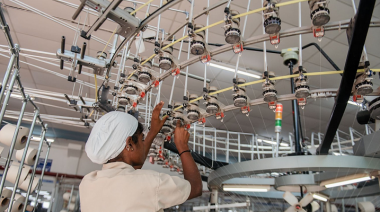
Disruptions caused by Covid-19 have redoubled concerns about vulnerabilities in fashion's manufacturing base, accelerating efforts to build more resilient and efficient operations.
Manufacturers from China to Italy to California abruptly shut down as the coronavirus spread, creating ripple effects across global supply chains. Even when supplies were available, getting them to the right place was difficult, as shippers prioritised medical equipment and ports struggled to keep cargo moving. While a demand shock precipitated by the retail lockdowns in key western markets has overshadowed these problems in the months immediately following the start of the pandemic, not knowing when — or if — crucial supplies will arrive is making it harder for the industry to recover as lockdowns are eased in many countries.
Even as factories come back online, new problems are constantly emerging. Brands are changing how they approach their supply chains in ways that will resonate long after the crisis. In many cases, flexibility is now a top priority. So is transparency, as the ability to keep tabs on where fabric and raw materials are at any given moment can now make or break a business.
How to Avoid the Next Supply Chain Shock
Related posts

M&S and Sephora enter partnership to bring new beauty destination to the high street
M&S and Sephora enter partnership to bring new beauty destination to the high street
Heading 1
Heading 2
Heading 3
Heading 4
Heading 5
Heading 6
Lorem ipsum dolor sit amet, consectetur adipiscing elit, sed do eiusmod tempor incididunt ut labore et dolore magna aliqua. Ut enim ad minim veniam, quis nostrud exercitation ullamco laboris nisi ut aliquip ex ea commodo consequat. Duis aute irure dolor in reprehenderit in voluptate velit esse cillum dolore eu fugiat nulla pariatur.
Block quote
Ordered list
- Item 1
- Item 2
- Item 3
Unordered list
- Item A
- Item B
- Item C
Bold text
Emphasis
Superscript
Subscript

Selfridges profits soar as it calls for tax-free shopping return
Selfridges profits soar as it calls for tax-free shopping return
Heading 1
Heading 2
Heading 3
Heading 4
Heading 5
Heading 6
Lorem ipsum dolor sit amet, consectetur adipiscing elit, sed do eiusmod tempor incididunt ut labore et dolore magna aliqua. Ut enim ad minim veniam, quis nostrud exercitation ullamco laboris nisi ut aliquip ex ea commodo consequat. Duis aute irure dolor in reprehenderit in voluptate velit esse cillum dolore eu fugiat nulla pariatur.
Block quote
Ordered list
- Item 1
- Item 2
- Item 3
Unordered list
- Item A
- Item B
- Item C
Bold text
Emphasis
Superscript
Subscript