
Brands' relations with department stores
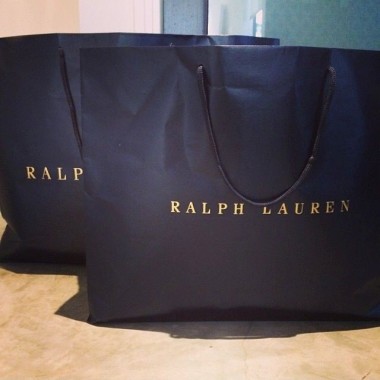
Ralph Lauren is speeding up its supply chain to be more reactive to fashion trends. It is also ending peripheral brands such as Denim & Supply to concentrate on main brands such as Polo Ralph Lauren. Third it is trimming underperforming stores. Finally, it is rethinking its relationship with department stores. This last measure has also been considered by Coach and Michael Kors, for example. This involves reducing department store shipments so that fewer products get sold on markdown. It also involves cutting down on department store distribution points.
Ralph Lauren, like other brands, is very dependent on department stores for business. In the US, 10% of Ralph Lauren business comes from Macy's, 8% from Hudson's Bay, 5% from Dillard's, 1.6% from Kohl's and 1% from Nordstrom. Wholesale is the most profitable segment of the apparel brand's business (69% of Ralph Lauren operating profit comes from department stores and other retail partners). But if they cut back their presence in department stores, there is a risk that the stores' outposts become deserts which then may drag down the department store company, drain resources and damage the department store brand in the eyes of the customers. A department store chain is an ecosystem and the defection of big-name brands threatens to throw the whole environment out of balance. The brands dependent on department store retailers need to think carefully about their strategy.
Related posts

Shein shares plunge 14% to record low after profit slides
Shein shares plunge 14% to record low after profit slides
Heading 1
Heading 2
Heading 3
Heading 4
Heading 5
Heading 6
Lorem ipsum dolor sit amet, consectetur adipiscing elit, sed do eiusmod tempor incididunt ut labore et dolore magna aliqua. Ut enim ad minim veniam, quis nostrud exercitation ullamco laboris nisi ut aliquip ex ea commodo consequat. Duis aute irure dolor in reprehenderit in voluptate velit esse cillum dolore eu fugiat nulla pariatur.
Block quote
Ordered list
- Item 1
- Item 2
- Item 3
Unordered list
- Item A
- Item B
- Item C
Bold text
Emphasis
Superscript
Subscript

M&S and Sephora enter partnership to bring new beauty destination to the high street
M&S and Sephora enter partnership to bring new beauty destination to the high street
Heading 1
Heading 2
Heading 3
Heading 4
Heading 5
Heading 6
Lorem ipsum dolor sit amet, consectetur adipiscing elit, sed do eiusmod tempor incididunt ut labore et dolore magna aliqua. Ut enim ad minim veniam, quis nostrud exercitation ullamco laboris nisi ut aliquip ex ea commodo consequat. Duis aute irure dolor in reprehenderit in voluptate velit esse cillum dolore eu fugiat nulla pariatur.
Block quote
Ordered list
- Item 1
- Item 2
- Item 3
Unordered list
- Item A
- Item B
- Item C
Bold text
Emphasis
Superscript
Subscript